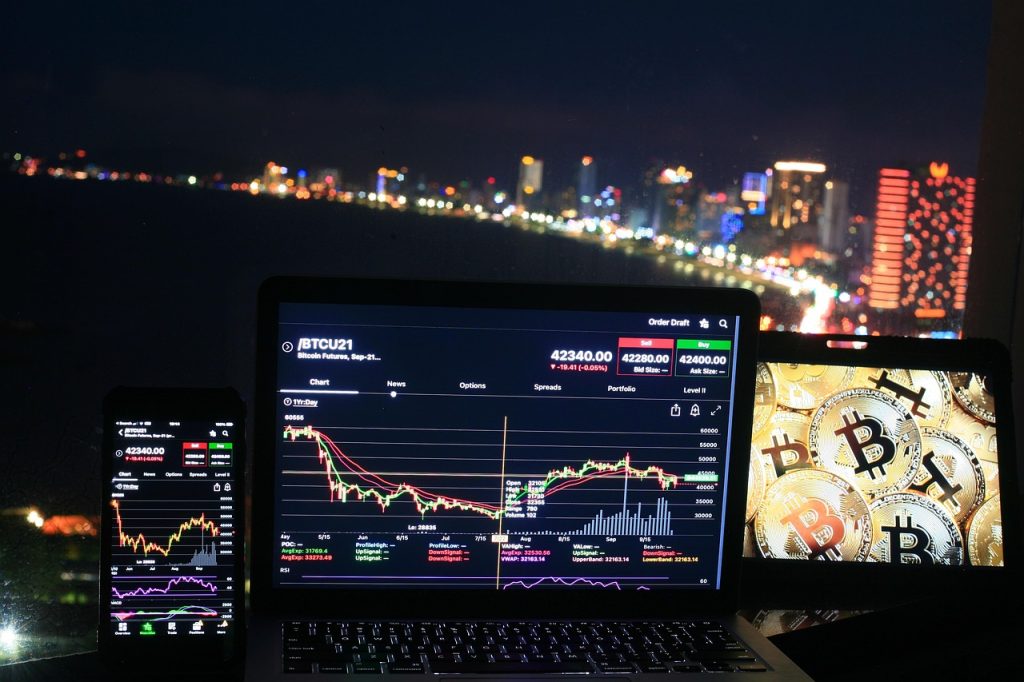
Investing in commodities is one of the traditional forms of investing capital, which allows you to diversify your portfolio and protect the value of your assets from inflation. Commodities include, m.in example, precious metals, crude oil, natural gas, agricultural products and industrial metals. The raw materials market is characterized by high volatility and dependence on economic, political and climatic factors.
Understanding the raw materials market
For beginner investors, it is crucial to learn the basic rules that allow you to make informed decisions and minimize risk. In this article, we will outline the four fundamental aspects of investing in commodities: understanding the market, choosing an investment strategy, managing risk, and market monitoring and education.
The first step to investing in commodities effectively is to have an in-depth understanding of the market mechanisms. Commodity prices are shaped by demand and supply, economic situation, countries’ policies, global events, and seasonal factors.
Key aspects of the market:
- Types of raw materials – are divided into energy resources (oil, gas), precious metals (gold, silver), industrial metals (copper, aluminum) and agricultural products (coffee, wheat). Each group is characterized by different price dynamics and level of risk.
- Market liquidity – the most liquid are commodities popular in global trade, e.g. oil or gold. Less common raw materials may be more difficult to sell at a favorable price.
- Factors affecting prices – changes in exchange rates, OPEC decisions, fiscal and monetary policy, weather conditions, as well as global economic crises – affect price fluctuations.
Understanding the market allows a trader to anticipate trends and react in an informed manner rather than making decisions on impulse or rumors.
Choosing an investment strategy
Effective investing in commodities requires developing a strategy that will suit the investor’s goals and risk tolerance. Lack of a plan is a simple way to lose money in the volatile commodity market.
Basic elements of the strategy:
- Time horizon – short-term investments (speculation) require daily monitoring of the market, while long-term investments (hedging or capital investment) are based on forecasts of global trends.
- Type of investment – you can invest directly in physical commodities (e.g. gold bars), through futures, ETFs or shares of commodity companies.
- Defining goals – is the goal to protect capital from inflation, speculative profit, or portfolio diversification?
- Entry and exit levels – setting buy and sell prices minimizes decisions made under the influence of emotions and helps you implement your investment plan.
A conscious strategy increases investor discipline and allows you to better manage your capital in a volatile commodity environment.
Risk management
The commodity market is prone to sudden price fluctuations, so risk management is crucial for capital protection. Even experienced traders use tools and rules that limit losses.
The most important methods of risk management:
- Portfolio diversification – investing in different groups of raw materials reduces the risk resulting from problems in one sector.
- Setting loss limits (stop-loss) – automatic closing of a position when a certain loss level is reached.
- Exposure control – do not invest all your capital in one commodity or contract, especially with high leverage.
- Fundamental and technical analysis – allows you to assess macroeconomic risks and price trends before making an investment decision.
Good risk management allows you to survive periods of high volatility and protects against excessive losses.
Market monitoring and education
The commodity market is dynamic and its conditions change daily. An investor who wants to achieve success should regularly follow market events and deepen their knowledge.
Practical actions:
- Tracking macroeconomic data – information about inflation, industrial production, central bank decisions and commodity reports affect prices.
- Analysis of price trends – both technical analysis (charts, indicators) and fundamental analysis help to make rational decisions.
- Education and skills development – courses, analytical reports, webinars and industry literature increase the competence of the investor.
- Regular portfolio assessment – control of investment performance allows you to make adjustments in accordance with your goals and market situation.
Constant education and monitoring of the market allow the trader to react to changing conditions and minimize the risk of losses.
Investing in commodities is an attractive form of investing capital, offering the opportunity to diversify your portfolio and protect yourself from inflation. However, the commodity market is characterized by high volatility and dependence on many external factors. The basic principles – understanding the market, developing an investment strategy, effective risk management, market monitoring and education – allow you to increase your chances of success and minimize the risk of losses. An investor who consistently applies these principles builds a stable portfolio and can benefit from the dynamic but fascinating commodity market.