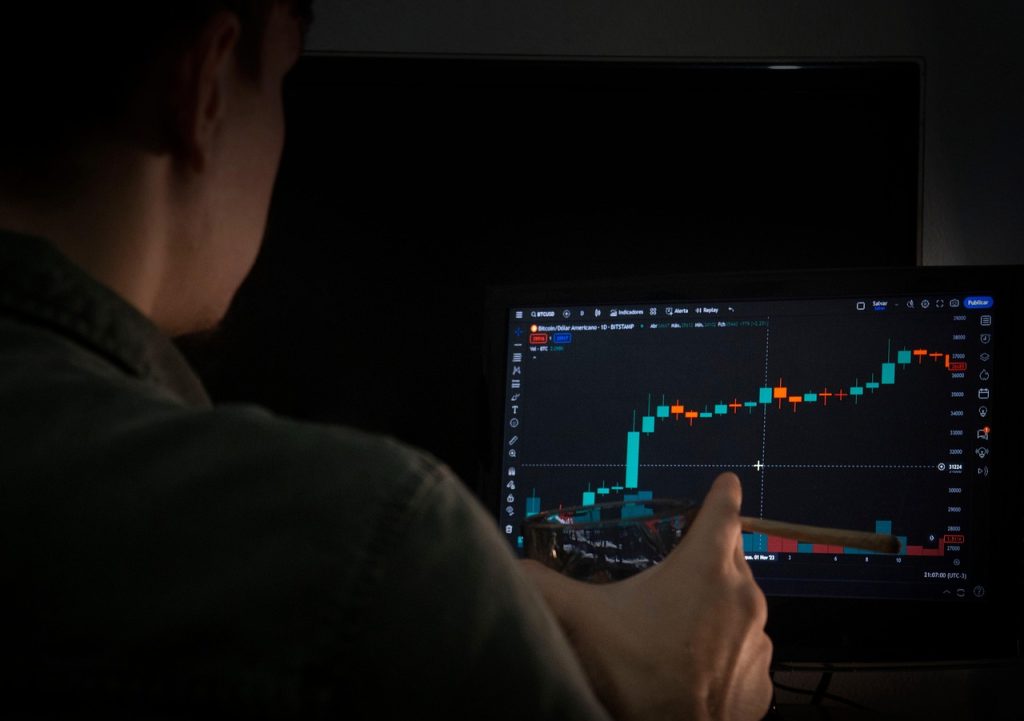
Investing is a journey that never ends. Each stage of this path requires different skills, tools and knowledge. Beginner investors learn to take their first steps – they plan goals, build a strategy, learn the basic rules. Over time, however, there is a need to deepen our knowledge, verify costs and consciously choose partners who accompany us on this adventure.
Deepen your knowledge
Today’s world of finance offers a lot of opportunities, but it also carries many risks. On the one hand, we have access to modern investment platforms, mobile applications and a wide range of instruments, on the other hand – the risk of encountering dishonest entities or incurring hidden costs. Therefore, every investor should strive to constantly develop their competences, carefully analyze the terms of cooperation and choose legal and trusted partners. In this part of the series, we will focus on these three pillars – knowledge, costs and safety. They are the foundation of responsible investing.
Investing is not a one-time course that you can “pass” and move on. It is a process of continuous learning, because financial markets are dynamic and constantly changing. New regulations, technological trends, changes in the global economy – all this makes it necessary for an investor to stay up to date.
Why is it worth deepening your knowledge?
- Informed decisions – by understanding market mechanisms, you better assess risks and potential returns.
- Greater self-confidence – knowledge reduces emotional reactions that often lead to mistakes.
- Long-term development – the more you know, the more complex strategies you can use.
There are various ways to gain knowledge: books and guides, online courses, financial podcasts, webinars, as well as reports from financial institutions or central banks. It is also worth learning from practitioners – follow the analyses of experienced investors, participate in conferences or industry meetings.
The key, however, is critical thinking. Not every piece of advice on the Internet is valuable, not every “reliable” source gives objective information. Therefore, knowledge should be verified and decisions should be based on several different sources.
Check fees and conditions
Every investment is associated with costs – sometimes overt and sometimes hidden. Excessively high commissions or fees can significantly reduce real profits, especially in the long run. Therefore, one of the obligations of an investor is to carefully analyze the conditions offered by a broker or fund.
The most common costs are:
- Transaction commissions – a fee charged when buying and selling assets.
- Account maintenance fees – can be fixed or depending on the value of the portfolio.
- Spreads and margins – the difference between the buy and sell price of an instrument.
- Management fees – especially in investment funds or actively managed ETFs.
- Additional costs – e.g. for withdrawing funds, currency conversion or inactivity on the account.
When analyzing the conditions, it is also worth paying attention to the availability of tools (e.g. mobile applications, analytical reports), the speed of customer service and the transparency of communication. A low fee doesn’t always mean the best choice – sometimes it’s worth paying a little more for stability, security, and better support.
Choose legit brokers and partners
The last, but extremely important element of conscious investing is the selection of the right partners – brokers, advisors, financial institutions. They are responsible for storing your funds, executing trades, and accessing the market.
What to look for when choosing?
- Regulation and licenses – make sure that the broker operates legally and is supervised by the relevant institutions (e.g. KNF in Poland, FCA in the UK, SEC in the USA).
- Reputation – check the opinions of other investors, rankings, the company’s experience on the market.
- Transparency of activities – a legit broker clearly communicates the costs, risks, and procedures.
- Security of funds – it is important that your money is kept in segregated accounts, separate from the broker’s operating capital.
Unfortunately, the market is not free of scammers. The stories of investors who have lost their life savings by entrusting them to rogue companies show how important caution is. Remember: if an offer sounds too good to be true (e.g. guaranteed profit without risk), then it is most likely a scam.
Conscious choice of partners is not only a matter of safety, but also of mental comfort. By working with a legit and vetted broker, you can focus on executing your strategy instead of worrying about whether your funds are safe.
Investing is a process that requires constant vigilance and responsibility. Setting goals and strategies is just the beginning – it’s just as important to constantly develop, analyze costs and choose the right partners. Deepening your knowledge makes you make more accurate decisions. Controlling fees and conditions allows you to protect your profits. Choosing legit brokers ensures that your money is safe. These are three principles that in the long run can determine whether your investing will be a source of satisfaction and profit, or stress and disappointment. In the next part of the series, we will move on to more practical issues: how to monitor your portfolio, how to make adjustments and when it is worth considering changing your strategy.